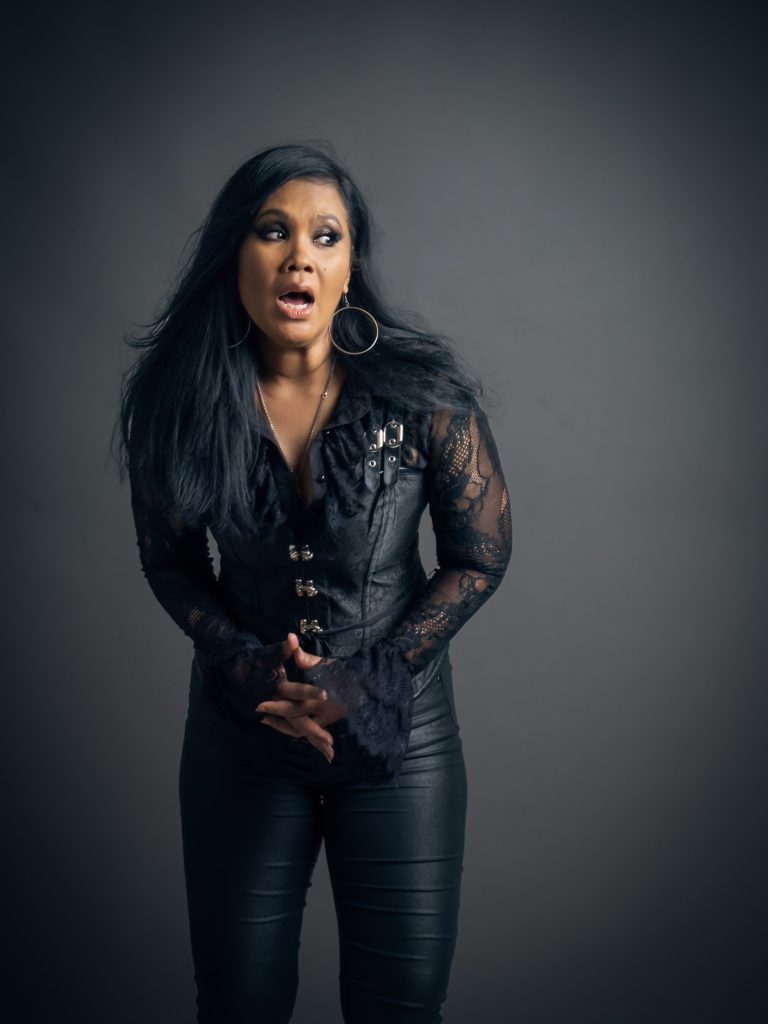
Who Would Ever Think She Is Kristang?
In Malaysia, people assume she is Malay. Sometimes Indonesian. Occasionally Filipina if they venture a bit further. In Los Angeles, she blends into the city’s endless mix of faces. Polynesian, broadly Asian, something familiar but not quite placed. In Texas and Nashville, they think she is Mexican or Hispanic. She lets it sit, mostly. These days, unless it actually matters, she does not correct it.
Then she opens her mouth.
Not to sing. Just to speak. And everything shifts.
The voice does not match the assumption. The English that comes out is precise, unhurried, completely at ease. People recalibrate. You can see it happen in real time.
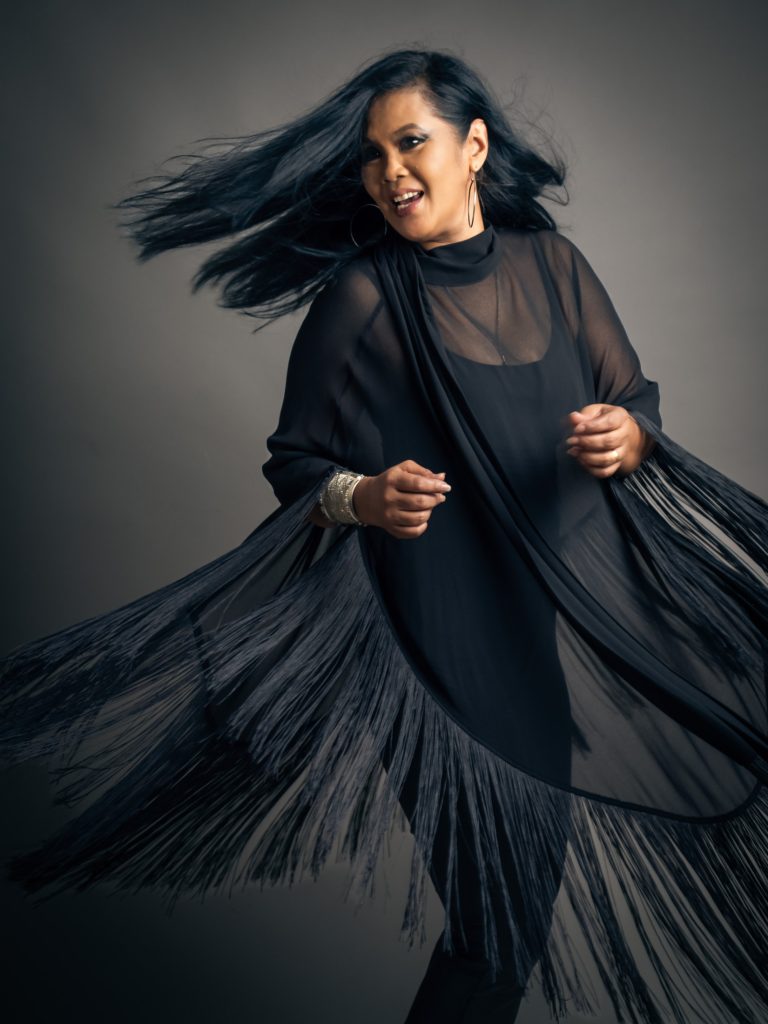
I first photographed Lyia Meta in 2014. That was for her first album. We have stayed connected over the years, the way you do with people who leave an impression, crossing paths on social media, keeping track of each other from a distance. When I finally had her back in front of my camera recently, eleven years had passed.
A lot had happened in eleven years.
She is Malaccan Kristang. One of Malaysia’s oldest and smallest communities, descendants of Portuguese settlers who arrived in Malacca in the sixteenth century and stayed, intermarrying, absorbing, becoming something entirely their own. The Kristang carry a creole language, a music tradition rooted in storytelling and rhythm, a history that most Malaysians could not tell you much about.
Lyia does not lead with this. It is not the first thing she mentions, not the banner she waves. It is simply one of the layers. One of many.
“It shapes how I connect to story, emotion, and community,” she tells me. “But it’s not the whole picture. Just one of several layers that make up who I am.”
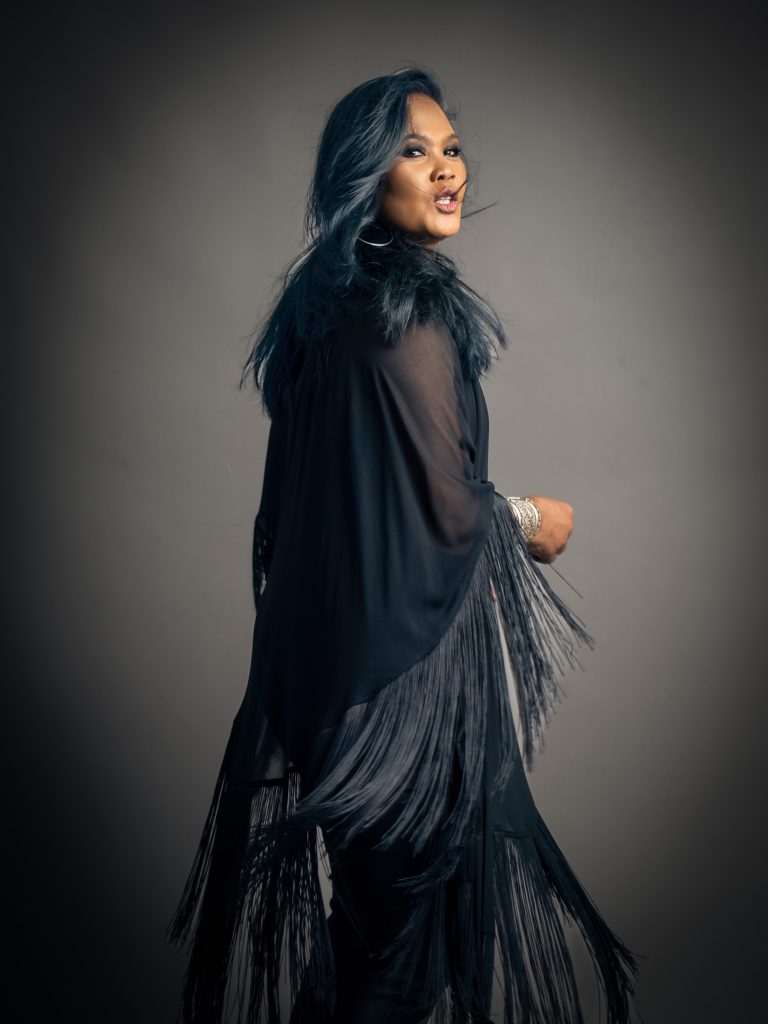
Her father played and sang the blues at home. But more than that, he was the lead singer for the famed Kilat Band from Malacca back in the 60s. Rock too, but at home it was mostly the blues. So in a sense, the music found her before she found it. By the time she opened her mouth to sing, it was already there.
Jazz came later, and by surprise. She had avoided it for years. Did not expect it to feel so natural when she finally stepped into it. But blues is at the root of jazz, and she had been living with blues her whole life without knowing that was what it was.
“Over time,” she says, “it felt less like I was discovering something new, and more like I was recognising something that had already been there in me.”
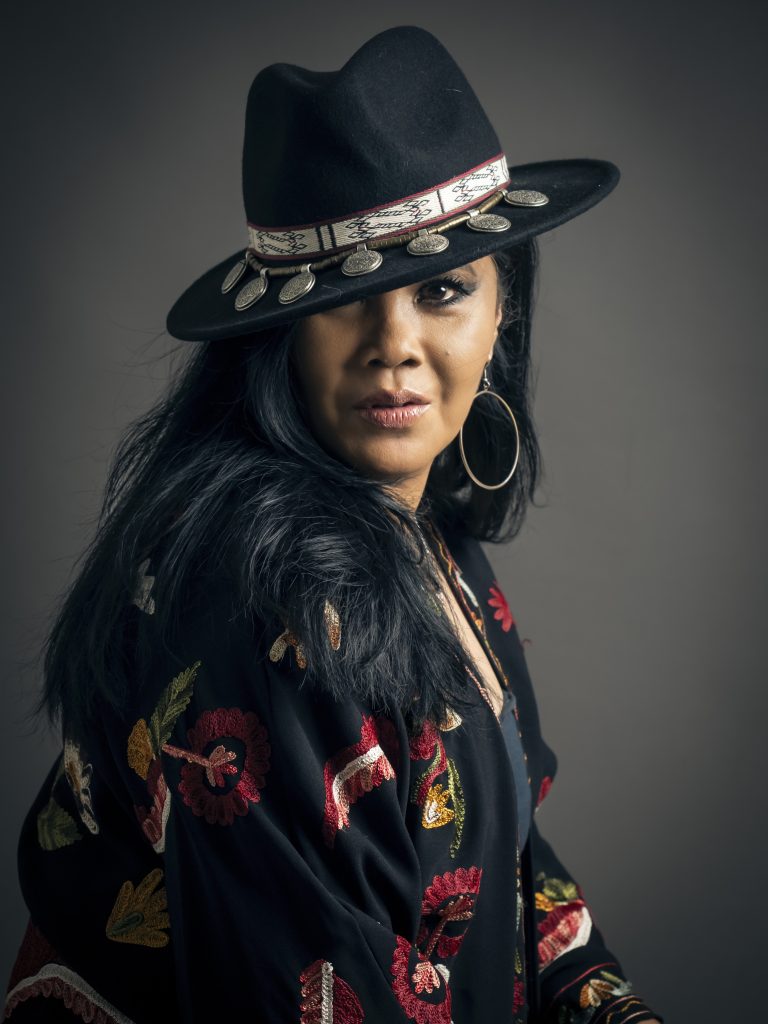
During the shoot, she mentioned she also sang country. I was not expecting that. I put it on Spotify there and then. She was really good. Not good for a Malaysian. Just good.
So good, apparently, that she went to Texas and proved it. She won Entertainer of the Year and Vocalist of the Year two years running at the Texas Sounds International Country Music Awards, beating artists from over fifteen countries. The kind of result you don’t explain away.
The range keeps going. She has lent her voice to a Brazilian collective, appeared on an album by three-time Grammy-winning artist Ricky Kej, and was the featured artist on a track from a Grammy-nominated album in Contemporary Blues. Two full-length albums. Five EPs. Twenty-seven singles. Two books, with a third on the way.
I am not listing these to impress. I am listing them because they point to something. The woman does not stop. She does not stay in one place long enough to be defined by it.
“I think the not belonging is the point,” she says. “Or maybe it is belonging everywhere a little, but not fully anywhere. Over time, that in-between space becomes its own kind of home.”
I think about the woman I first photographed in 2014. She was still figuring out how she wanted to be seen. Still negotiating between who she felt she was inside and what she thought people expected. Careful. Holding back a little.
Now there is less of that.
“I am more aware of what I carry,” she says. “And I am more comfortable letting it show without trying to shape it too much or soften it. It is not just confidence. It is clarity.”
That clarity shows up in front of a camera. She is not managing the moment anymore. She steps into it.
When I look at the portraits from our recent session, I see someone who has stopped explaining herself. The voice that confounds every assumption, the face that no one can quite place, the heritage that most people have never heard of. None of it needs resolving.
She is Kristang. She is Malaysian. She sings blues and jazz and country and symphonic rock. She writes books about resilience. She wins awards in Texas. She gets mistaken for Mexican.
She is Lyia Meta.
Who would ever think she is Kristang?
After spending time with her, the better question is: who else could she possibly be.